
09 December 2025
The evolution of commemorations
Q. How have ANZAC Day and Remembrance Day changed in the way they’re marked and understood over the past century?
My mother, who was born in 1932, recalls that when she was young, Remembrance Day was more prominent than ANZAC Day. In the last 100 years, ANZAC Day has grown and become the focal point of Australian commemorations.
The Australian War Memorial sees both days as opportunities to share stories of the Australian experience of war. While its commemorations have changed little, attendance has grown, especially since the centenary of World War I (2014–2018).
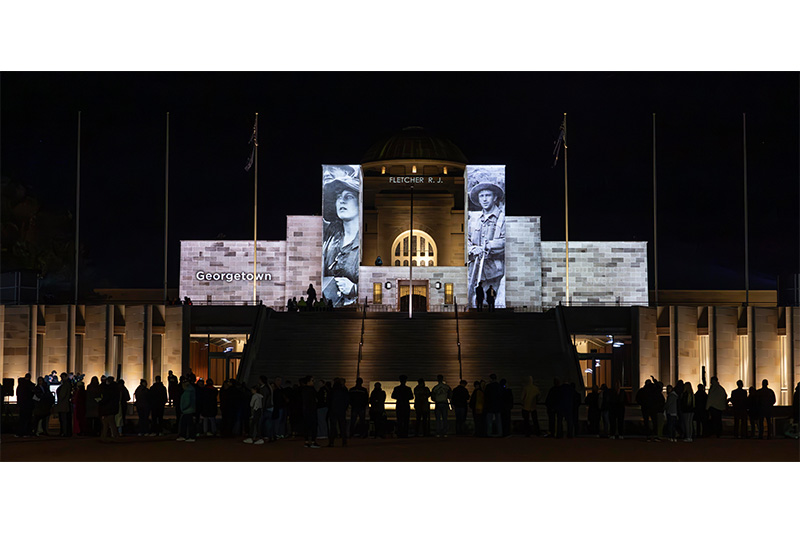
ANZAC Day Dawn Service at the Australian War Memorial in 2025. Photo: Australian War Memorial
Q. Vietnam Veterans’ Day was established much later – what impact has it had on how Australians view that conflict?
This is an important day to remember the experience of Vietnam veterans and to share their history, stories and remember those who died during this conflict.
The day has a big impact on recognition of service, and the media and social media are very active and supportive of the occasion. Being able to tell their story to the nation helps our veterans and supports remembrance.
Q. How are veterans of more recent conflicts, peacekeeping and humanitarian missions being recognised, and how is the Australian War Memorial helping to keep their stories alive?
The Memorial recognises all generations of service, including more recent conflicts, peacekeeping and humanitarian missions. Its redevelopment has expanded galleries to tell the stories of Australians who served in Somalia, Rwanda, Cambodia, East Timor, Iraq, Afghanistan and Syria.
The Research Centre continues to collect personal records such as diaries, memoirs and emails, along with official documents. Online resources like photographs, digitised collections and nominal rolls make these stories accessible, while privacy safeguards ensure recent experiences are handled with care.
Q. With growing awareness of mental health and the hidden wounds of war, how has commemoration been influenced?
The Memorial's Research Centre holds letters and diaries written by veterans during their service, and these collections include a large body of writing on the hidden wounds of war. The Memorial’s galleries, website, collections, official histories and commemorative events reflect stories on the impact of war on mental health.
A recent example is the sculpture For Every Drop Shed in Anguish (2024), created by artist Alex Seton with input from veterans, families and advocates. It represents those affected by trauma during training, operations and peacetime service, offering a place for reflection and acknowledgement of the hidden wounds of war.
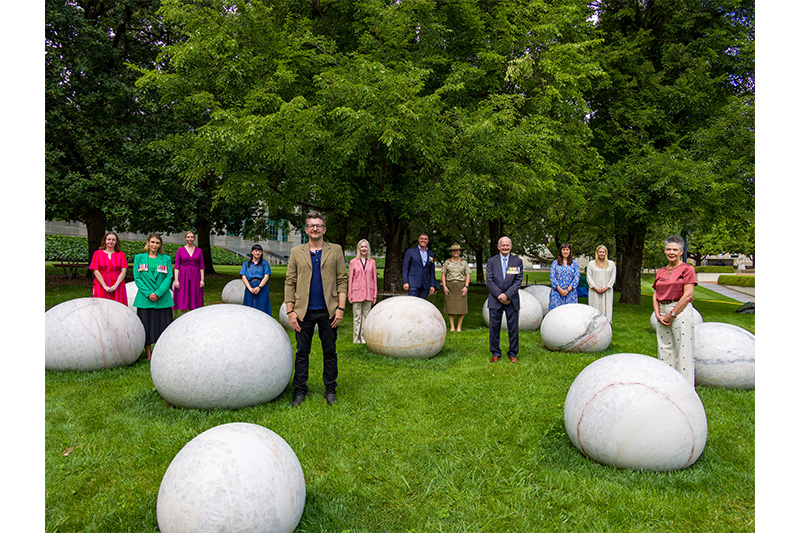
The sculpture For Every Drop Shed in Anguish, created by Alex Seton in 2024. Photo: Australian War Memorial.
Q. In what ways have commemorations broadened to include families, communities and those who served on the home front?
The Memorial was founded not only for those who served but also for their families and communities at home. During World War I, Australian families often endured months of silence before learning news of loved ones, and many received telegrams confirming death long after they had stopped receiving letters.
The Memorial collects these stories of the home front, including rationing, the work of the Women’s Land Army, the bombing of Darwin and daily life under wartime conditions. Donations such as the Franklin family’s letters to their son, who was a prisoner of war in Japan, reveal the emotional bonds and lifelines sustained through correspondence.
Today, this recognition extends into the way new exhibitions are developed. Veterans, their families and defence communities have been consulted throughout the Development Project, and the Memorial has also prioritised direct employment and business opportunities for veterans. In this way, commemoration now captures not only those who served overseas but also the families and communities who supported them.
Q. Recognition of Indigenous service and other under-represented groups has grown – how has this shaped commemorations and the Memorial’s work?
The role of Aboriginal and Torres Strait Islander peoples in Australia’s wartime history is increasingly recognised and celebrated. Indigenous Australians have served in uniform, supported the war effort in industry and agriculture, and endured the direct impacts of war on their communities.
The Memorial actively collects their stories and highlights them through dedicated resources, including its Indigenous service webpage and the For Our Country memorial on the grounds of the Australian War Memorial.
What began as informal ceremonies overlooking Canberra has evolved into a nationally recognised commemorative event held each year after the ANZAC Day Dawn Service. In addition, the Memorial has expanded its Indigenous collections, with more than 140 artworks and growing documentary records including those relating to the frontier wars.
These initiatives not only acknowledge Indigenous service but also provide opportunities for truth-telling, storytelling and healing. They ensure that Indigenous Australians are firmly embedded within the broader narrative of Australia’s wartime history.
Q. From newspapers and radio to television and social media, how has coverage influenced the way Australians take part in commemorative days, and how does the Memorial respond to that shift?
As the Memorial headed towards the centenary of WWI, we recognised that there was a growing interest in the Australian experience of war, commemoration and military history. Participants in the Memorial’s commemorative ceremonies has grown in number and the events are covered in the mainstream media as well as social media.
Q. Looking to the future, how might the meaning of these days continue to change, and what role will the Memorial play in that journey?
The Memorial is here for posterity, and this informs how we handle and manage our collections, the galleries and our commemorative spaces. The Memorial has undergone, and will continue to undergo, significant change, but we will always be leading the nation in remembrance and understanding of Australia’s wartime experience.
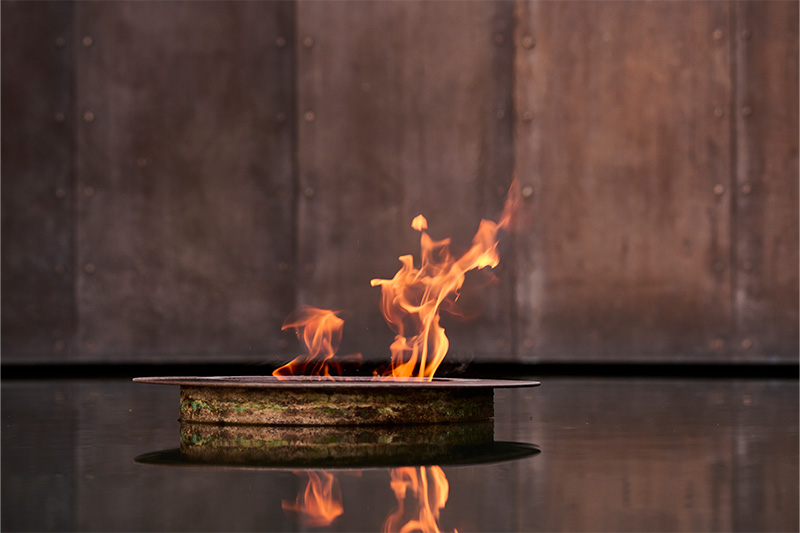
The Eternal Flame at the Australian War Memorial is a sculptural feature of the Pool of Reflection in the commemorative courtyard.